
Learn
Six Simple Habits of People Who Never Catch a Cold
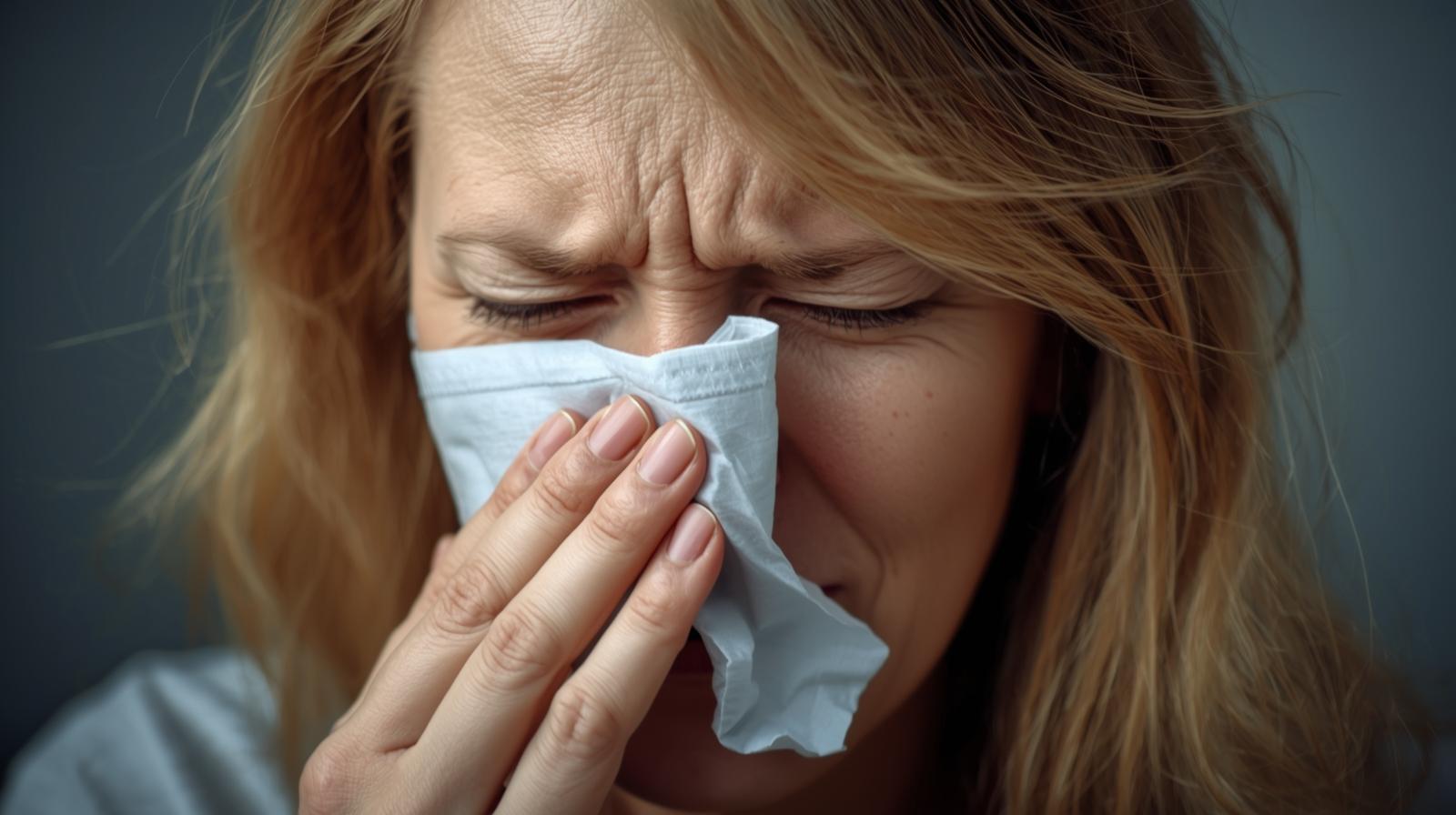
The common cold usually lasts 7 to 10 days. Who has that kind of time to feel miserable?
You don’t have to suffer from rhinovirus symptoms if you follow the simple preventive habits that physicians use to keep from catching a cold from all the hacking, sneezing patients we see.
1. They get 7 to 8 hours of sleep every night. Studies have shown that people who get less than six hours of sleep are nearly three times more likely to catch a cold than those who sleep 8 hours.
2. They wash their hands often. Your hands are the primary vehicle for the rhinovirus to enter your body. You shake the hand of a sick person or touch a contaminated surface, then touch your nose, eyes, or mouth and the next day you start sniffling. Wash with hot, soapy water for at least 20 seconds. And use alcohol-based hand sanitizer with 60% alcohol. And don’t touch your face.
3. They wear N95 masks, especially on planes, trains and in busy public places. So, take a lesson from the COVID-19 days, and wear a high-quality mask to reduce your exposure to airborne respiratory droplets from people. Masks also trap moisture, keeping your mucus membranes moist, which helps prevent infection.
4. They stay hydrated. Carry a water bottle wherever you go as a reminder to sip water all day long. Water is essential to your body’s production of lymph, the clear fluid that carries white blood cells and nutrients throughout the body. It’s an important part of the immune defense system also because it carries away and filters out invading viruses and bacteria through the lymphatic system.
5. They eat foods and take supplements that support a strong immune system. Among the best flu fighters: B12 for producing while blood cells, C, the antioxidant found in citrus, bell peppers and broccoli, D3, which helps protect against upper respiratory infections, zinc, which studies show shortens the length of colds, and probiotics to support the gut microbiome, ground zero for immune system health.
6. They stay active. Increased blood flow from raising your heart rate helps white blood cells and other immune cells circulate more effectively to deal with invading viruses. Research has shown that exercise boosts immunity by 10-fold immediately afterward.